What a ceramic coating actually is
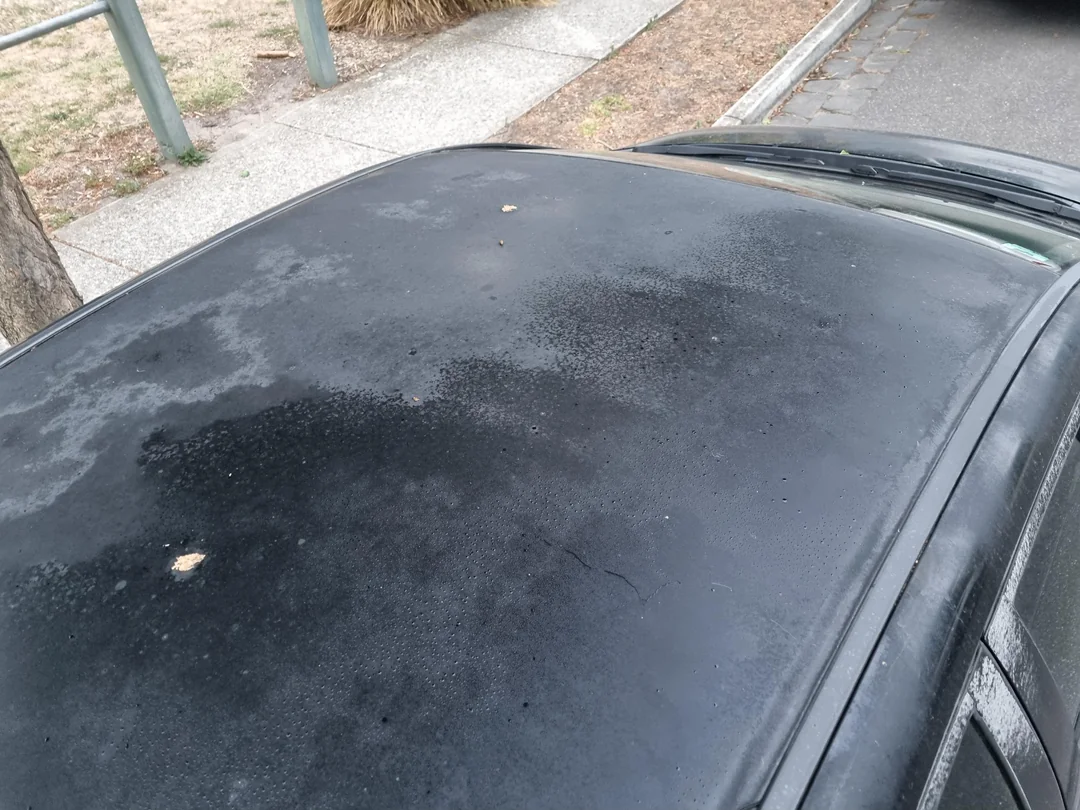
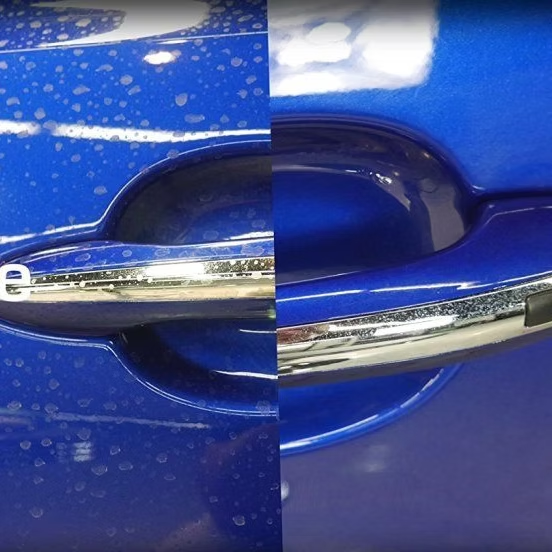
A ceramic coating is a liquid that cures into a thin, hard, glass-like layer on top of your clear coat. Most professional coatings are built on silica (SiO2) chemistry. Once the coating is applied and leveled, the carrier solvents flash off and the remaining material cross-links into a film that is harder and more chemically stable than wax or a spray sealant.
It is not paint, and it is not a film you can peel off. Think of it as a slick, sacrificial top layer that takes the abuse your clear coat would otherwise take: sun, dust, bird droppings, mineral-heavy water and harsh cleaners.
That distinction matters because a coating protects whatever is underneath it. If the paint is swirled and dull when the coating goes on, the coating locks that look in for years.
How it bonds, and why prep decides everything
A coating bonds best to bare, clean clear coat. Anything sitting between the two, including old wax, polishing oils, embedded iron or a film of hard water minerals, weakens that bond and shortens the coating's life.
That is why the prep takes longer than the application. A proper coating job follows a set order:
- Two-bucket hand wash with grit guards, so loose dirt comes off without being dragged across the paint.
- Iron decontamination to dissolve brake dust and rail dust embedded in the clear coat.
- Clay treatment to pull out bonded contamination the chemicals leave behind.
- Machine polishing to correct defects and refine the surface.
- Surface wipe-down to remove polishing oils so the coating touches clean clear coat.
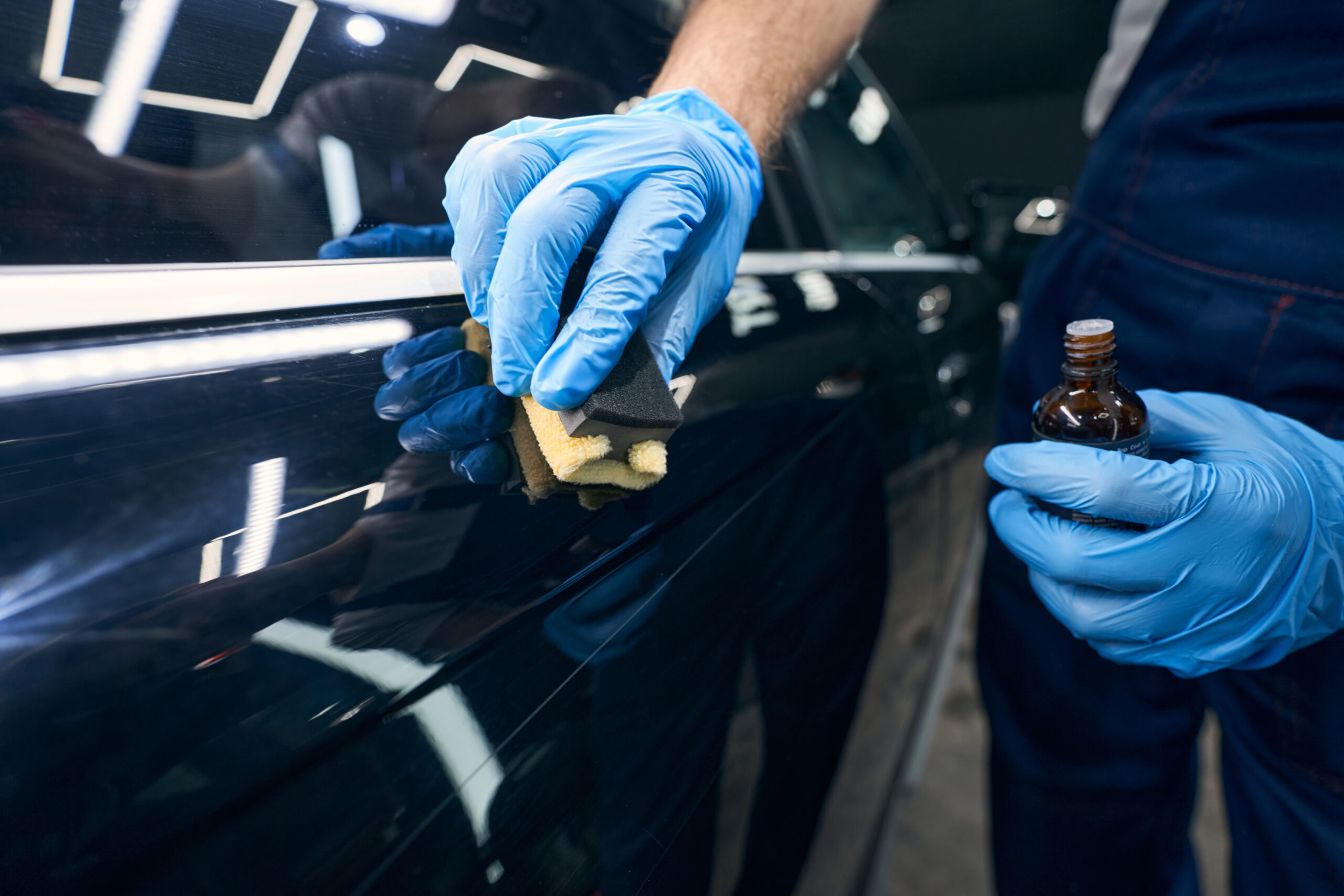
- Application and leveling, one section at a time, then cure time away from rain and sprinklers.
Skip a step and the coating may still bead water on day one, but it will not last the way it should.
| Factor | Ceramic sealer (Executive package) | Ceramic coating |
|---|---|---|
| Prep before application | Wash, iron and clay decontamination | Full decontamination plus 1-step or 2-step correction |
| Durability | Months, refreshed with each detail | Years, backed by a five-year warranty |
| UV resistance | Added light protection | Durable UV-resistant layer |
| Red dust and grime | Easier to rinse than bare paint | Slick enough that most dust rinses off |
| Hard water | Moderate beading | Strong beading; spots sit on the coating, not the paint |
| Best for | Regular upkeep between details | Long-term protection for paint you plan to keep |
1-step vs 2-step correction before coating
Because the coating seals in whatever is underneath, the real decision is how much correction the paint needs first. Our coatings come as a 1-step or 2-step package, matched to our paint correction levels.
1-step: polish and protect
A single machine polishing stage with a finishing pad and polish. It removes light swirls, the haze left by automatic washes and early dullness, and it brings gloss up noticeably. It suits newer vehicles, garage-kept cars and paint that has been washed carefully.
2-step: cut, then refine
A heavier cutting stage first, to remove deeper swirls, wash marring, light etching and oxidation, followed by a refining polish to restore clarity. This is the right choice for daily drivers with years of tunnel washes behind them, dark colors that show every defect, and paint that has started to fade in the sun.
Neither level removes a scratch that catches your fingernail. Those go through the clear coat and need touch-up or body work. An in-person inspection tells you which category your paint is in.
Why coatings make sense in Arizona
Coatings are useful anywhere, but three local conditions make them especially practical here.
UV exposure. Sedona sits at about 4,350 feet and Flagstaff at about 7,000. Thinner air at elevation lets more ultraviolet light through, and UV is what breaks down clear coat and causes fading and oxidation. A coating adds a UV-resistant layer that takes the first hit and slows that process.
Red iron-oxide dust. The red soil around Sedona is fine and abrasive when dry. Wipe it off an uncoated car with a towel and you will scratch the paint. A coated surface is slick enough that most of that dust rinses away with water instead of needing to be scrubbed, and it has a harder time clinging in the first place.
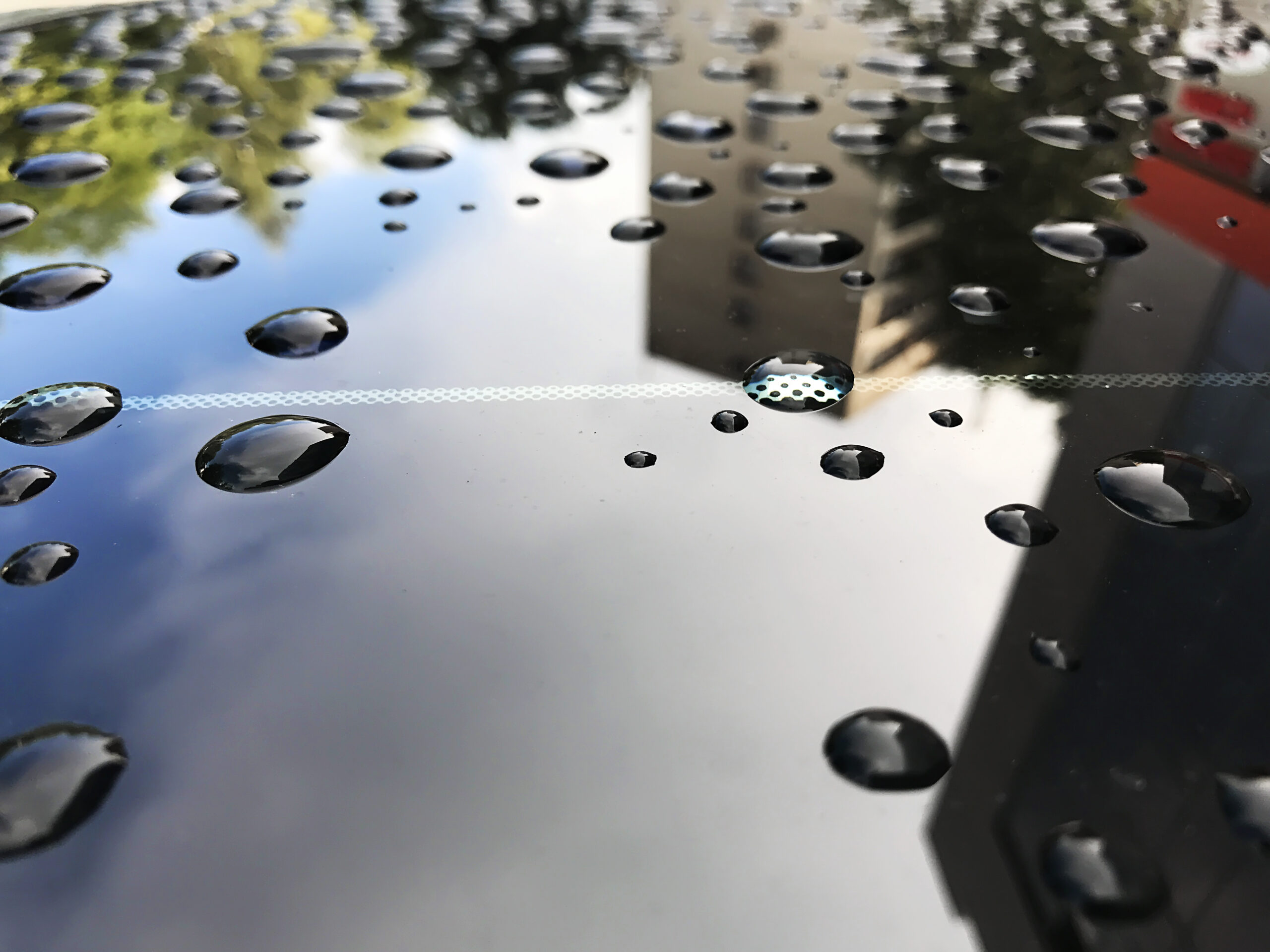
Hard water. Verde Valley water is mineral-heavy, and many rural properties run on private wells. When a droplet dries on bare paint, it leaves minerals that can etch the clear coat. A coating makes water bead and roll off, so fewer drops sit long enough to dry, and the spots that do form sit on the coating rather than in the paint. Our water spot removal guide covers this in more depth.
What a ceramic coating does not do
- It does not make a car scratch-proof. It resists light marring from proper washing, not rock chips, keys or a dry towel dragged through red dust.
- It does not replace washing. A coated car still gets dirty. It simply cleans up faster and with less risk.
- It does not fix existing defects. Swirls, etching and oxidation have to be corrected before the coating goes on.
- It does not stop every water spot. If sprinkler water dries on a coated car day after day, minerals build up on the coating and need to be removed.
- It is not permanent. Our ceramic coatings carry a five-year warranty, and how well a coating holds up depends on how the car is washed and stored.
Maintaining a coated car
Coating maintenance is mostly about not undoing the protection.
- Wash with a pH-neutral soap and the two-bucket method, or schedule a maintenance exterior detail.
- Rinse red dust off with water before anything touches the paint. Never dry-wipe it.
- Dry with clean microfiber or forced air so minerals are not left behind.
- Avoid brush-style automatic washes, which put swirl marks right back in.
- Park out of sprinkler range, and remove bird droppings and pine sap promptly, especially after time in Flagstaff or Rim Country.
If beading slows down over time, the surface is usually contaminated, not worn out. A decontamination wash typically brings the behavior back.
Common ceramic coating myths
"A coating means I never have to wash my car." Dirt still lands on it. The difference is that it comes off with less effort and less risk.
"Coatings are just expensive wax." Wax sits on the surface and wears away in weeks to months. A coating cures and bonds to the clear coat and lasts years with reasonable care.
"More layers always means more protection." Extra layers can add some thickness, but prep and correction matter far more than layer count.
"You can coat over swirls and they disappear." A coating may soften very fine haze for a while, but real defects stay visible, and now they are sealed in.
To find out what your paint needs, book online or call (928) 451-7211. We will look at the car in person before recommending a 1-step or 2-step package.